Quarterly Reports That Impress Stakeholders
A quarterly report is a high-stakes document that dictates investor confidence and brand reputation. Even with accurate data, poor presentation and logistical delays can render your hard work useless. Here is what you will learn:
- Identifying data misclassification and context gaps
- Fixing visual design and layout errors
- Solving print production and binding issues
- Leveraging Lebone Litho for large scale output
Is your quarterly report a strategic asset or something that quietly undermines your message? For most C-suite executives, the hours spent refining data are often sabotaged by the final document’s presentation.
When stakeholders are handed a report that feels cheap or looks cluttered, the cognitive load increases, and your message of growth is lost in the noise. At Lebone Litho, we know that a professional physical document anchors your corporate authority.
Data provided without context often overwhelms investors and board members. Ignoring quarterly reporting standards can make even the most profitable quarter seem a bit unrepresentative of the facts. Avoiding common pitfalls requires a mix of report data accuracy and high-quality commercial printing services to ensure your physical presentation matches your corporate excellence.
Why is Raw Data Without Context a Risk?
Raw numbers mean nothing to a stakeholder if they cannot see the “why” behind the dip or spike. A 5% variance in net income may seem alarming at first glance, but without context, it can easily be misinterpreted. If your visual data presentation does not clearly explain underlying business decisions or investments, you risk major misinterpretation.
Avoid dumping spreadsheet entries directly into your layout. Presenting financial reports without a cohesive narrative exposes common errors, such as misclassified expenses or revenue recorded in the wrong period. Your report should link your KPIs to your long-term goals, ensuring that supplementary schedules agree with your financial statements.
Are Design Flaws Sabotaging Your Credibility?
Unprofessional formatting is a trust killer. Common errors include:
- Illegible Disclosure: Tiny font sizes that make your financial disclosures unreadable for executive readers.
- Graphic Clarity Issues: Low-resolution graphics that appear pixelated or blurry in the final print.
- Inconsistent Branding: Inconsistent branding that suggests a lack of attention to detail.
How Does Poor Print Quality Impact Perception?
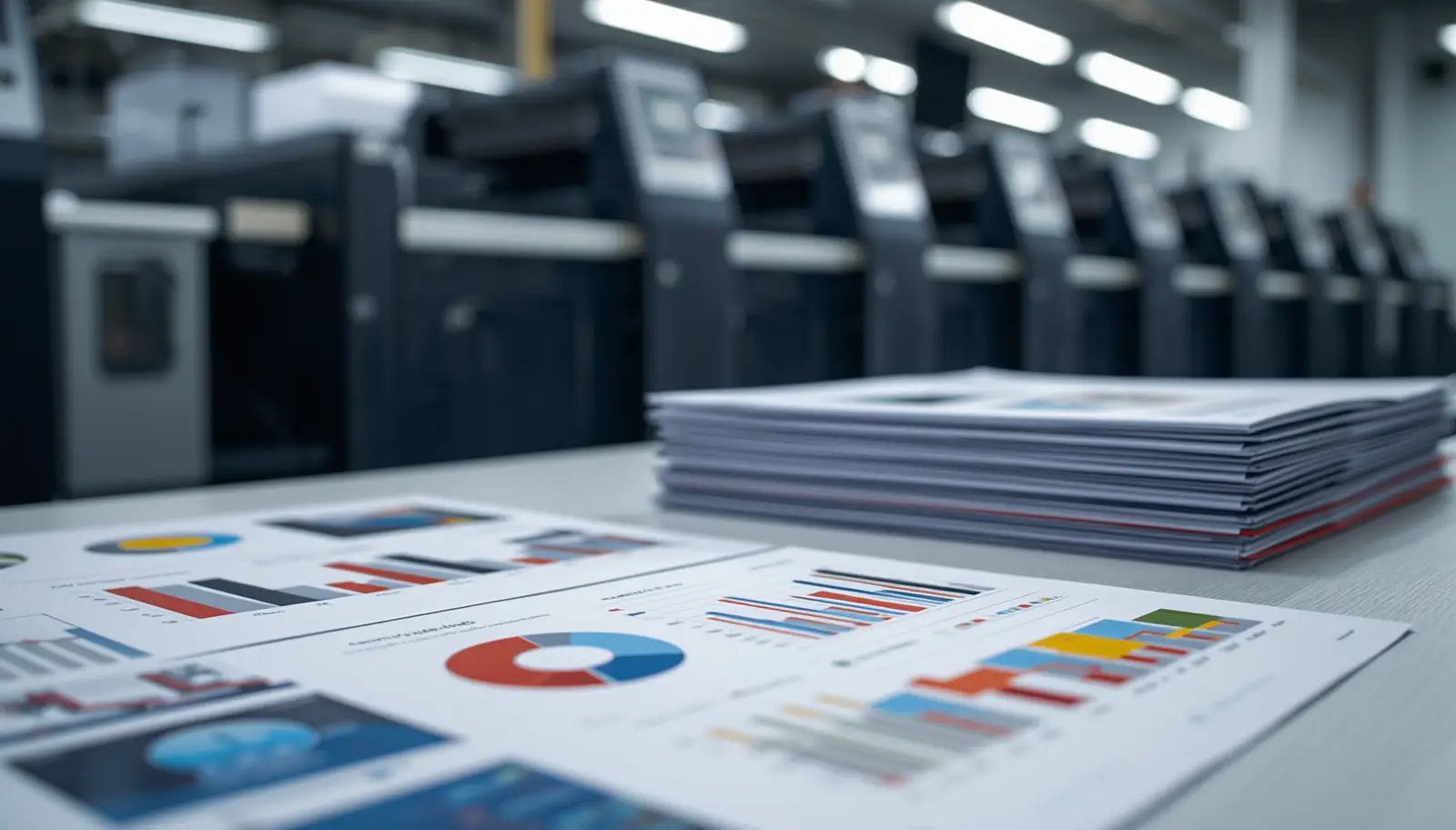
If you handle large-scale printing in-house, you risk frequent hardware failures. A report with faded images or misaligned pages quietly signals that your internal processes are lacking. Professional high-volume printing means every copy you hand to shareholders is identical, clear, durable, and well put together.
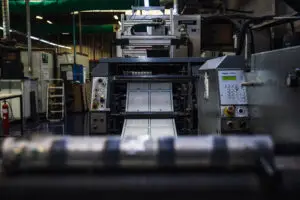
Our litho printing machine, Heidelberg Speedmaster 102 Classic, helps us keep that crisp, vibrant quality our customers have grown to love consistent across thousands of reports. Whether you are getting ready for a national rollout or preparing for your next board meeting, we provide the consistency and reliability your brand requires
Don’t Let A Great Quarter Be Ruined By A Poor Physical Document
Turn your next quarterly report into a document stakeholders actually trust. Speak to Lebone Litho about scalable commercial printing services.
FAQs and Answers
- Why do most quarterly reports fail to impress stakeholders?
Most quarterly reports fail because they overload readers with raw data, lack clear storytelling, use poor visual layouts, or suffer from low print quality. Stakeholders expect concise insights, accurate financial reporting, and professional presentation that reflects the credibility of the business. - What is a common mistake to avoid in report writing?
A major pitfall is a lack of clarity caused by excessive jargon, long sentences, or irrelevant details that distract from the core message. Many businesses also overload reports with unnecessary data instead of focusing on information most relevant to stakeholders. - Why is context important in quarterly reports?
Context helps stakeholders understand why financial changes occurred. Without explanations behind revenue growth, losses, or investment decisions, raw numbers can easily be misunderstood and create confusion among investors or board members. - How can businesses improve the visual presentation of reports?
Businesses can improve report presentation by using clear typography, high-resolution graphics, consistent branding, and structured layouts. Professional design improves readability and makes financial information easier to understand. - What corrective action should be taken if the printer is printing faded images?
You should first check if the toner or ink levels are low and replace the cartridges if necessary. If the levels are sufficient, verify that the paper density and print settings match the media type being used, as incorrect settings can affect print quality. - Why should businesses outsource large scale report printing?
Outsourcing ensures consistent print quality, faster turnaround times, and professional finishing. It also reduces the risk of equipment failure, printing delays, and inconsistent output during important reporting deadlines. - What are three possibilities that might cause a printer not to print at all?
Common causes include network connectivity problems, depleted toner or ink cartridges, and internal paper jams. Outdated printer drivers or incorrect print queue settings can also stop printing completely. - How does print quality affect stakeholder perception?
High-quality printing creates a professional impression and reinforces brand credibility. Poorly printed reports with faded images, blurred graphics, or misaligned pages can negatively influence how stakeholders perceive the business and its operational standards.